


Technical Guidance on Retatrutide: Reconstitution, Storage, and Laboratory Protocols (For Research Use Only)
IMPORTANT NOTICE: All products mentioned in this document are strictly designed and manufactured For Research Use Only (RUO). These compounds are intended solely for in vitro laboratory studies, scientific evaluation, or chemical assays, and are absolutely NOT approved for human consumption, clinical diagnostic procedures, or therapeutic applications.
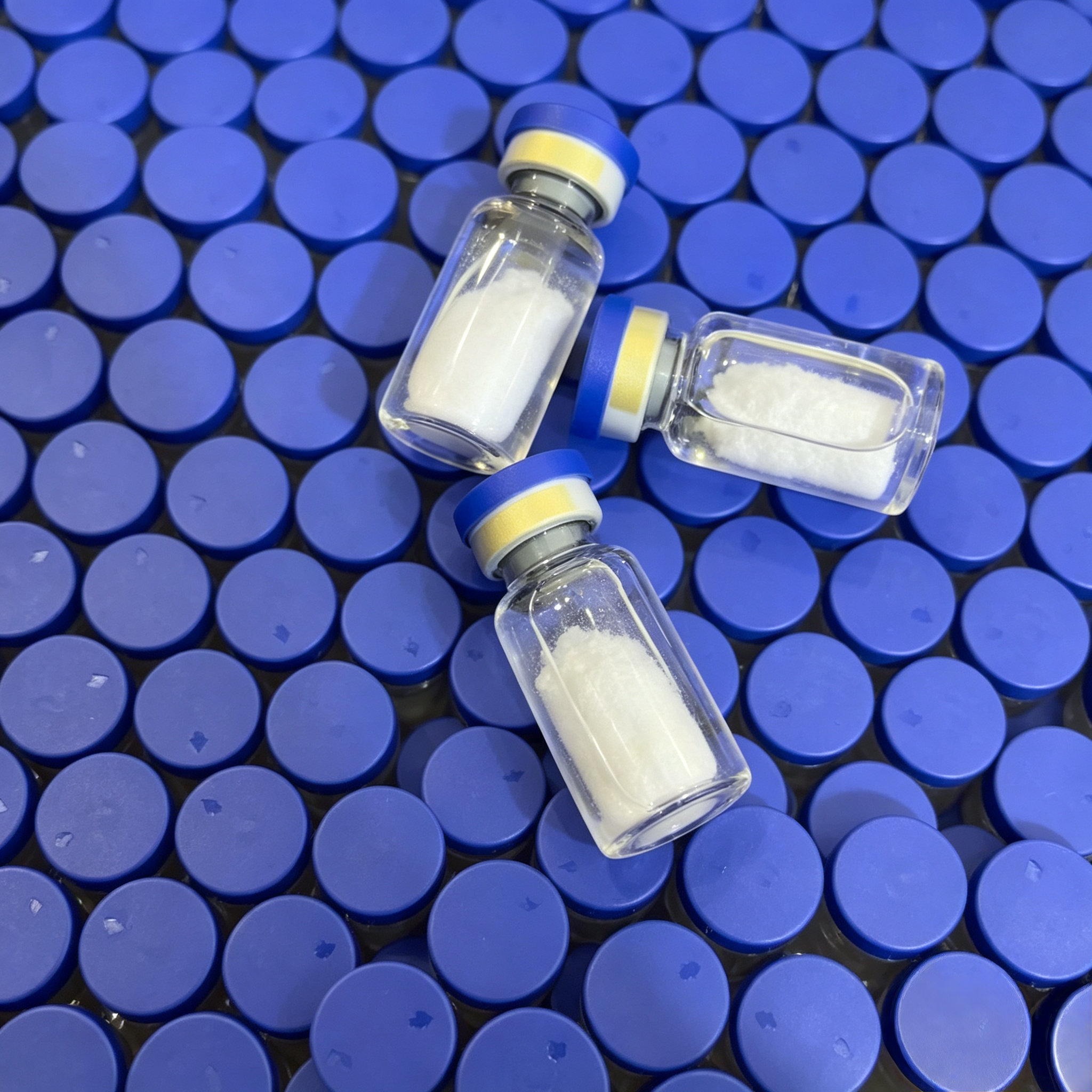
As the global pharmaceutical and biotechnological research sectors advance into 2026, Retatrutide (LY3437943)stands as one of the most intensely studied synthetic peptides. Functioning as an engineered single-chain, 39-amino acid peptide, this triple hormone receptor agonist (GLP-1/GIP/Glucagon) requires strict handling, precise chemical reconstitution, and controlled storage environments to prevent rapid degradation and ensure reliable molecular integrity during laboratory assays.
This technical document provides authorized research personnel with essential protocols for handling lyophilized Retatrutide powder safely and accurately.
1. Molecular Profile and Chemical Specifications
Verifying peptide authenticity through high-performance liquid chromatography (HPLC) and mass spectrometry (MS) is critical for high-fidelity laboratory assays:
Sequence Structure: An engineered peptide sequence containing 39 amino acids, structurally optimized with custom lipophilicity conjugations to achieve co-agonism.
Molecular Weight: Approximately 4,731.4 Daltons.
Purity Benchmarks: Standard research grades must maintain a verified purity profile of ≥ 98.0%, appearing as a sterile, white, lyophilized (freeze-dried) powder cake.
2. Standard Reconstitution Protocol (How to Dissolve Retatrutide)
Lyophilized peptides are highly susceptible to mechanical shear and osmotic shock. To reconstitute Retatrutide without damaging its structural bonds, follow this strict laboratory method:
Temperature Equilibration: Before introducing any solvent, allow the sealed Retatrutide vial to sit at room temperature (20°C to 25°C) for approximately 30 minutes to prevent internal moisture condensation.
Solvent Selection: Standard Bacteriostatic Water (0.9% Benzyl Alcohol) or Sterile Injectable Water is recommended for aqueous solutions. Calculate the exact diluent volume required for your target concentration array (e.g., 5 mg/mL or 10 mg/mL).
Gentle Fluid Introduction: Aim the syringe needle directly at the inner glass wall of the vial—never spray the solvent directly onto the lyophilized powder cake. Allow the liquid to slow-drip down the side of the glass.
Passive Dissolution: Do not shake, swirl vigorously, or vortex the vial. Shaking induces shear forces that destroy peptide potency and create excessive foam. Instead, roll the vial gently between your palms or leave it undisturbed for 5 to 10 minutes until the liquid becomes fully transparent and clear.
3. Stability and Storage Parameters
Retatrutide’s long-term shelf life depends directly on temperature control and absolute light protection. The following matrix details the standardized stability thresholds:
| Physical State | Temperature Tier | Maximum Recommended Shelf Life | Special Storage Directives |
|---|---|---|---|
| Lyophilized Powder | -20°C to -80°C (Deep Freeze) | Up to 24 Months | Keep sealed, away from light and desiccant-controlled. |
| Lyophilized Powder | 2°C to 8°C (Standard Refrigeration) | 3 to 6 Months | Ideal for short-term project queues. |
| Reconstituted Solution | 2°C to 8°C (Standard Refrigeration) | Maximum 14 Days | Do not freeze liquid solution; protect from light. |
4. Avoiding Peptide Degradation: Key Quality Risk Factors
To ensure consistent results across multiple research arrays, laboratories must mitigate the following chemical degradation pathways:
Avoid Repeated Freeze-Thaw Cycles: If a single batch is intended for multi-week use, aliquot the reconstituted Retatrutide solution into smaller, single-use sterile vials prior to initial cooling. Repeated freezing and thawing rapidly destroys peptide potency.
UV Exposure Shielding: Retatrutide solutions are highly sensitive to photo-oxidation. Store all active vials in opaque container boxes or wrapped in amber protection sleeves.
pH Maintenance: Ensure that custom buffers used alongside Retatrutide maintain an optimal physiological pH range of 6.5 to 7.5 to prevent premature hydrolysis.
 Technical Guidance on Retatrut
Retatrutide for Weight Loss: E
Technical Guidance on Retatrut
Retatrutide for Weight Loss: E
 What Is Retatrutide? 2026 Phas
 What is Peptide? 2026 Peptide